
Student Leaders Empower Younger Peers Through Unity Day Conversations
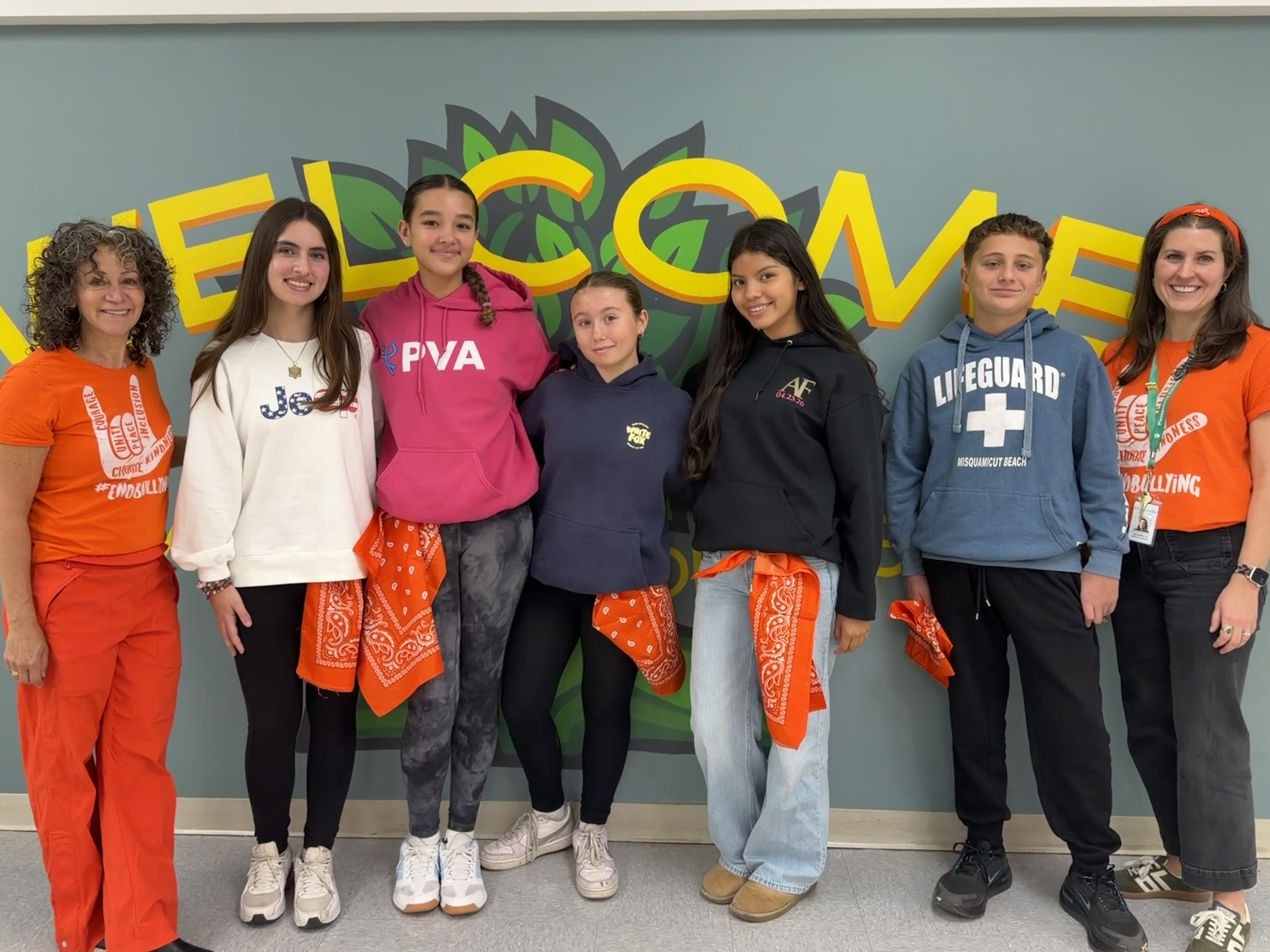
Eighth-grade Student Council members at Pleasantville Middle School stepped into a new role for Unity Day: leading conversations with their younger peers about kindness, inclusion and the responsibility students share in creating a safe and supportive school community.
Visiting Mrs. Lamar's sixth-grade science class, the student leaders encouraged younger students to share their perspectives, work through realistic scenarios and consider how they could respond to bullying or exclusion. The discussions also helped students distinguish bullying from everyday conflict and recognize when to seek support from a trusted adult.
"We want them to know who they can go to if something happens," said eighth grader Sophia, who emphasized the importance of making the conversations comfortable and relatable. "We wanted to talk about situations that could really happen."
The eighth graders began by explaining that Unity Day is a national day dedicated to building community through kindness, acceptance and inclusion while raising awareness about bullying prevention. Orange is the symbolic color of Unity Day, reflected in the orange bandanas worn by Student Council members. All sixth graders received orange stickers and were encouraged to wear them as a visible sign of unity and support.
The student leaders then explained that bullying involves the repeated, unwanted targeting of another person through aggressive words or actions, often involving an imbalance of power. They emphasized that not every disagreement or difficult interaction constitutes bullying.
"Students need to know how to resolve conflicts, but they also need to recognize the difference between something that happens once and something that keeps happening," said eighth grader Julian.
Learning to manage and resolve conflict is an essential life skill. Bullying, however, requires a different response, and students need to recognize when behavior crosses that line, whether they are experiencing it themselves or witnessing it.
Rather than simply presenting information, the Student Council members used realistic scenarios to invite discussion and encourage their younger peers to think through possible responses.
In one scenario, students considered what they could do if a classmate was repeatedly excluded from a game at recess. One sixth grader suggested that those witnessing the exclusion could leave the game and start another one, creating an opportunity for the excluded student to participate.
The example illustrated the concept of being an upstander, someone who takes positive action when witnessing bullying or mistreatment rather than remaining a bystander. Throughout the discussions, sixth graders also readily identified seeking help from a trusted adult as an important step.
The classroom was filled with raised hands as students offered suggestions, considered different perspectives and, in some cases, shared personal experiences.
The eighth graders' work began before they entered the sixth-grade classroom. With guidance from school counselors Pam Roth and Jacqueline Lee, who co-facilitate Student Council, the student leaders reviewed the scenarios together, discussing what was happening in each situation and how they might respond.
The preparation helped them consider not only the messages they wanted to convey but also how to encourage meaningful participation among their younger peers.
"We wanted to create an environment where everyone felt comfortable sharing their ideas and everyone had a voice," said eighth grader Isabella.
The peer-led discussions gave eighth graders an opportunity to practice leadership while helping younger students build the confidence to navigate challenging situations, seek support and stand up for themselves and others.